
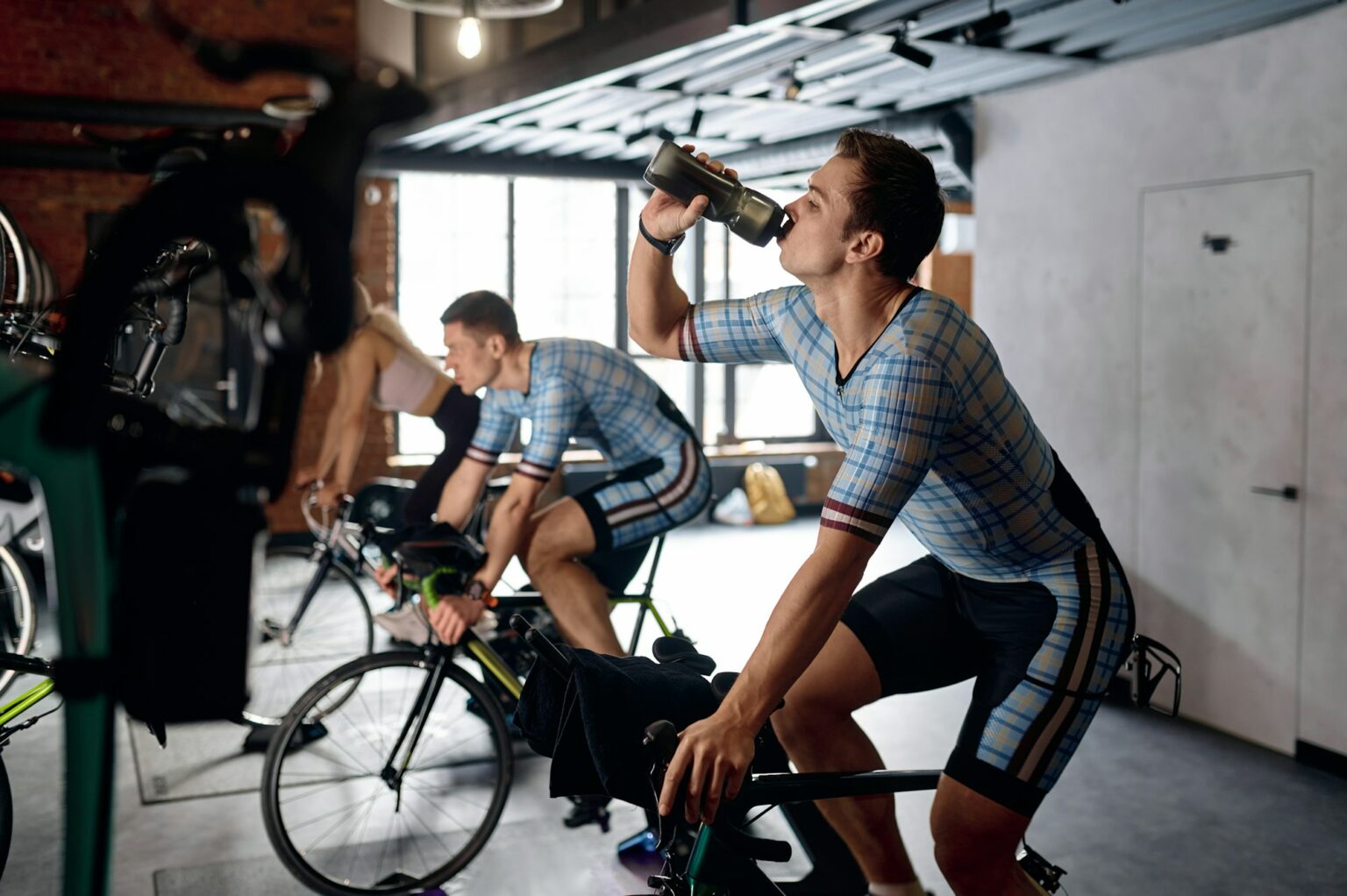
Electrolytes are essential for hydration, especially after intense workouts or during hot weather. But is it possible to overdo it?
In Belgium, electrolyte supplements are regulated under the EU’s General Food Law (Regulation (EC) No 178/2002), ensuring they are safe and properly labeled. The Federal Agency for the Safety of the Food Chain (FASFC) enforces these rules, so you can trust that the products you use meet strict safety standards.
By following these guidelines and choosing regulated products, you can enjoy the benefits of electrolytes without the risks.
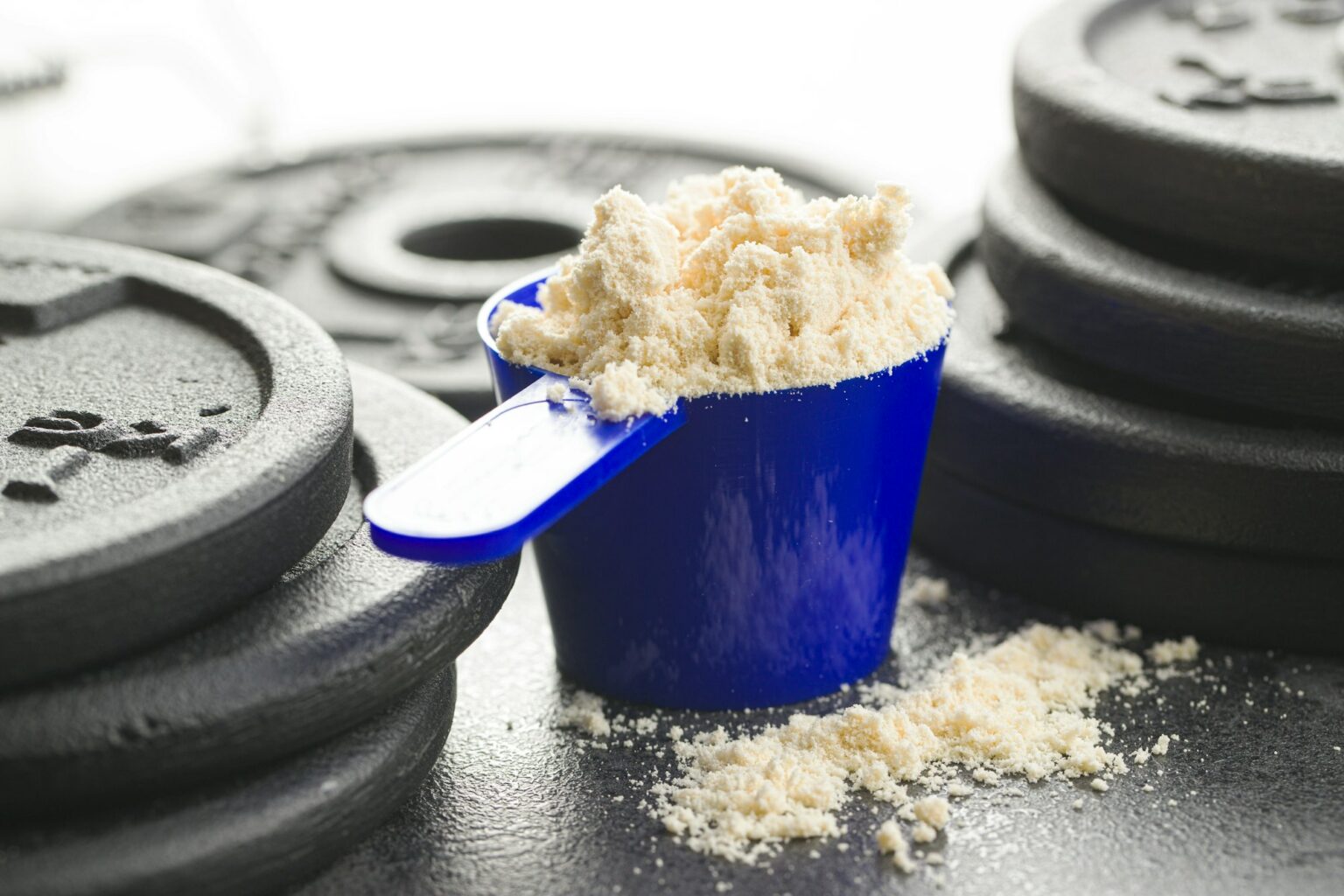
Protein powders are a popular choice for fitness enthusiasts and health-conscious individuals alike. But with so many options available, how do you know which one is right for you?
In Belgium, protein supplements, whether whey or plant-based, are regulated as food products under the EU’s General Food Law (Regulation (EC) No 178/2002). This ensures they meet strict safety and quality standards.
The Federal Agency for the Safety of the Food Chain (FASFC) monitors compliance, ensuring that all protein powders are safe, accurately labeled, and free from misleading claims.
Whether you choose whey or plant protein, rest assured that Belgian and EU regulations are in place to protect your health and ensure product quality.

When it comes to supplements, safety and trust are top priorities. But how can you be sure what you’re taking is both safe and effective?
In Belgium, supplements are strictly regulated under the European Union’s General Food Law (Regulation (EC) No 178/2002). This means they must meet rigorous safety standards, and any health claims must be backed by scientific evidence.
The Federal Agency for the Safety of the Food Chain (FASFC) oversees the enforcement of these rules in Belgium, ensuring that every supplement on the market is safe for consumers and properly labeled.
Thanks to these regulations, you can feel confident that the supplements you choose are both safe and reliable.